

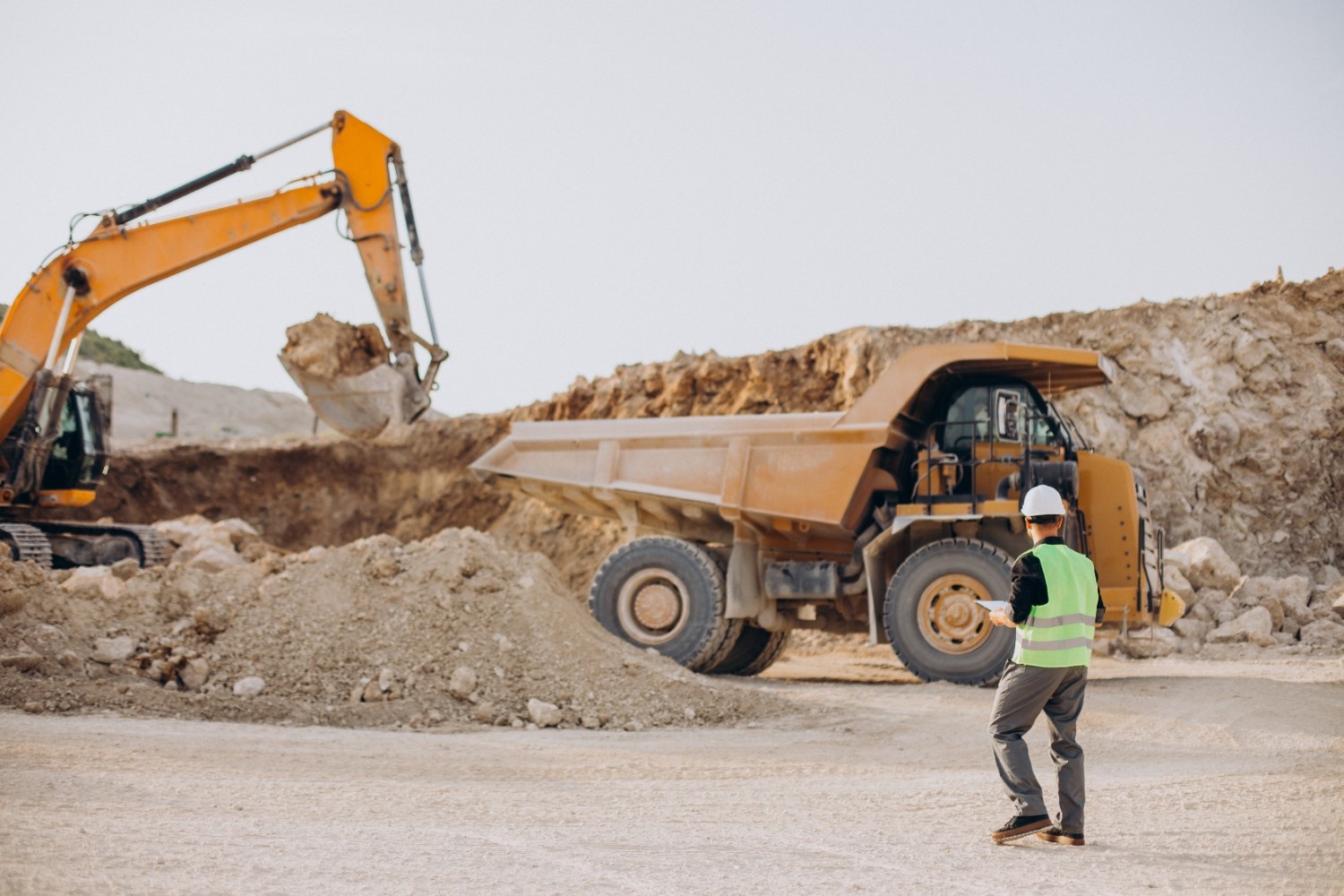
Surface mining is built around scale. Large and heavy machines move massive volumes of material, and production depends on continuous output. When equipment fails, the impact is immediate and measurable in lost tonnes, delayed processing, and increased operational pressure.
In these conditions, Knights of Repair supports high-demand operations with practical diagnostics and on-site heavy equipment repair services designed to reduce downtime at the source.
Unlike lighter-duty industries, failure in surface mining is rarely isolated. Equipment operates as part of an interdependent system. When one machine slows or stops, upstream and downstream processes are affected.
Operating Conditions That Drive Failure
Surface mining environments are among the most demanding for equipment. Machines operate under constant load, exposure, and stress.
Extreme temperatures, dust, and moisture directly affect performance and durability. These environmental factors accelerate corrosion, material degradation, and mechanical failure across components.
Heavy loads and continuous operation increase wear rates. Equipment is exposed to abrasion, impact, and erosion, which are primary drivers of failure in mining systems.
In these conditions, equipment does not fail suddenly. It degrades under pressure until performance drops below operational requirements.
Equipment Supported by Knights of Repair
Our services cover key surface mining equipment, including:
- Haul trucks and rigid dump trucks
- Excavators and hydraulic shovels
- Dozers and graders
- Crushers and screening systems
- Conveyors and material handling systems
- Pumps and hydraulic systems
These machines are critical to maintaining production flow across the site.
Where Failures Typically Begin
Abrasive Wear and Material Loss
Surface mining exposes heavy machinery equipment to continuous abrasion. Contact with rock, dust, and slur degrades parts over time, reducing component integrity and efficiency.
Hydraulic System Degradation
Hydraulic systems operate under high pressure and constant load. Contamination, heat, and internal wear reduce system performance and increase the risk of failure.
Heat and Load Stress
High operating temperatures and sustained loads place stress on engines, drivetrains, and hydraulic systems. Without proper management, this leads to overheating and accelerated wear and tear.
Dust and Contamination
Dust infiltrates systems through breathers, seals, and maintenance activities. Once inside, it increases friction, reduces lubrication quality, and accelerates component wear.
Diagnostics for High-Value Equipment
In surface mining, diagnostics are not just about fixing faults. They are about protecting production.
Effective diagnostics focus on:
- Performance trends such as reduced output or slower cycle times
- Temperature increases across systems
- Repeated faults or warning indicators
- Changes in fuel efficiency or power delivery
- Wear patterns in critical components
Identifying these signals early allows maintenance to be scheduled before serious failure disrupts your operations.
Maintenance That Matches Production Scale
Surface mining equipment operates under conditions that demand more than standard maintenance schedules.
A practical maintenance approach includes:
- Monitoring wear rates under real operating conditions
- Managing contamination through filtration and handling practices
- Inspecting high-load components regularly
- Adjusting service intervals based on workload and environment
- Replacing components before they affect system performance
Preventive maintenance in mining is not just about equipment condition. It is about maintaining throughput.
Downtime in Surface Mining
Downtime in mining carries a direct production cost. Equipment failure can result in significant losses depending on the scale of operation, with delays affecting overall output and operational efficiency.
Because mining systems are interconnected, a single failure can create cascading delays across the operation.
Reducing downtime depends on:
- Early detection of failure patterns
- Fast and accurate diagnosis
- Clear repair decisions
- Preventing repeat failures through root cause correction
Operating in Remote and Large-Scale Sites
Surface mining sites are often large and remote. Transporting equipment for repair is not always practical and can extend downtime significantly.
On-site support reduces delays by:
- Allowing immediate inspection and diagnosis
- Identifying failure causes in real operating conditions
- Enabling faster repair decisions
- Reducing dependence on transport and logistics
Understanding the environment in which equipment operates improves diagnostic and repair accuracy, and long-term reliability.
Keeping Production Consistent
Surface mining is driven by output targets. Equipment reliability directly influences whether those targets are met.
Consistent performance depends on:
- Managing wear and contamination
- Monitoring equipment condition continuously
- Acting on early signs of degradation
- Maintaining systems under real operating conditions
Reliability is not achieved through reaction. It is built through consistent attention to how equipment performs under load.
Identifying the Point When Wear Becomes Failure
In mining, most components spend the majority of their life in a steady wear phase before rapidly failing.
The transition from acceptable wear to failure is often where production risk increases. Recognising that transition is key to preventing unplanned downtime.
Need Support for Your Surface Mining Equipment in Ontario?
Equipment failures in mining environments can escalate quickly due to scale and operating conditions, resulting in loss of revenue and customer trust. Fast diagnostics and practical repair decisions help protect your output and reduce disruption to your operations.
Knights of Repair provides support for surface mining equipment repair across Ontario, helping maintain reliability in high-demand situations.
Call 905 830 2332 or request service online for a fast response.
Frequently Asked Questions
What causes the most downtime in surface mining operations?
Downtime is typically caused by wear, contamination, and delayed maintenance, often affecting critical equipment such as haul trucks, crushers, and conveyors.
Why does mining equipment wear out faster than other industries?
Mining equipment operates under extreme load, abrasive materials, and harsh environmental conditions, which accelerate wear, corrosion, and component fatigue.
How does dust affect mining equipment performance?
Dust enters systems and increases friction, reduces lubrication efficiency, and accelerates wear in hydraulic and mechanical components.
What are the early signs of failure in surface mining equipment?
Early signs include reduced productivity, higher operating temperatures, unusual noise, vibration, and increased fuel consumption.
How can mining equipment downtime be reduced?
Downtime can be reduced through early fault detection, consistent maintenance practices, proper contamination control, and fast repair response.

.svg)