



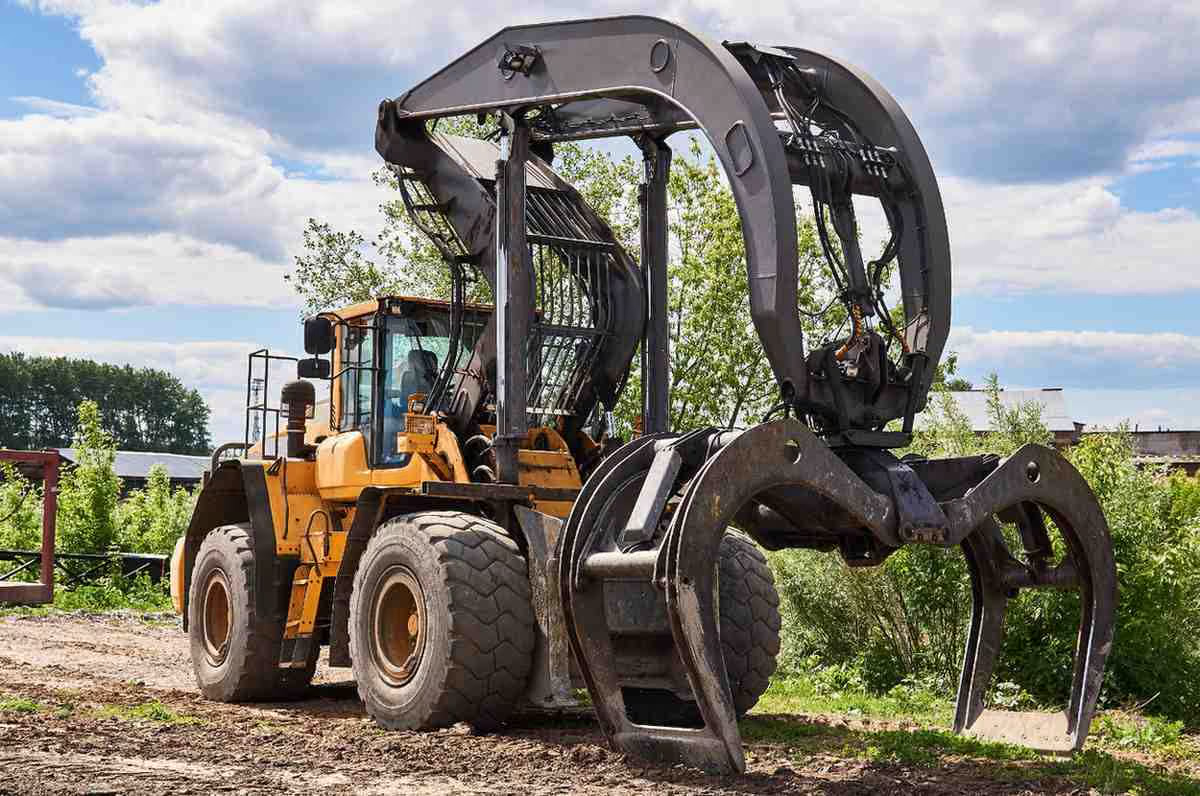
Forestry operations don’t happen in controlled environments. Equipment works in mud, debris, uneven ground, and constant impact. When machines fail, access is difficult, response times matter, and downtime quickly affects output.
Reliable repair and maintenance are essential to keep forestry equipment operating in conditions where failure is not just inconvenient but disruptive to the entire workflow.
Built for Harsh, Remote Conditions
Forestry equipment faces a unique combination of stress factors. Continuous load, contamination from wood debris, and exposure to moisture create an environment where systems degrade faster than in most industries.
Hydraulic lines are exposed to damage. Debris works its way into moving parts. Cooling systems operate under constant strain.
In remote locations, even minor faults can lead to extended downtime if not addressed quickly and correctly.
Forestry Equipment Supported by Knights of Repair
Our repair service covers a wide range of forestry and logging equipment, including:
- Harvesters and forwarders
- Skidders and feller bunchers
- Loaders and log handlers
- Excavators used in forestry operations
- Chippers and processing equipment
- Hydraulic systems across attachments
These machines rely heavily on hydraulic performance and structural durability under load.
Common Forestry Equipment Challenges
Hydraulic Damage and Pressure Loss
Forestry equipment depends on hydraulic power for lifting, cutting, and movement. Hose damage, pressure loss, and contamination are common and can quickly reduce performance or stop operation entirely.
Debris and Contamination
Wood chips, dust, and organic debris increase contamination risk. These materials enter through seals, breathers, and maintenance handling, accelerating wear across pumps, valves, and cylinders.
Structural Stress and Wear
Repeated heavy loads create wear in pins, bushings, and joints. Over time, this leads to misalignment, reduced control, and increased strain on connected components.
Access and Downtime Challenges
Remote job sites make transport and workshop repair difficult. Delays are often extended by logistics rather than the repair itself.
On-Site Diagnostics for Remote Operations
Forestry equipment often cannot be easily and quickly moved to a repair shop away from the job site. On-site diagnostics reduce delays and provide faster insight into the actual problem.
Our on-site support includes:
- Inspection in real operating conditions
- Hydraulic system testing and performance checks
- Identification of leaks, wear, and failure points
- Immediate repair where possible
- Clear escalation for major component work
Understanding how equipment fails in its working environment leads to more accurate and lasting repairs.
Preventive Maintenance in Forestry Environments
Forestry equipment benefits from maintenance that reflects real conditions rather than fixed schedules.
Key focus areas include:
- Hydraulic fluid condition and contamination control
- Filtration performance and breather protection
- Inspection of hoses, seals, and exposed components
- Monitoring of heat, vibration, and performance changes
- Early correction of wear before failure spreads
Preventive maintenance reduces the risk of unexpected downtime, especially in locations where repair access is limited.
Reducing Downtime in Remote Work Sites
In forestry, downtime is often amplified by location. Delays in parts, access, or transport can extend simple issues into multi-day disruptions.
Reducing downtime depends on:
- Fast fault identification
- Practical repair decisions based on conditions
- Addressing root causes rather than temporary fixes
- Preparing for known failure points in advance
Equipment reliability directly affects your productivity and commercial success, especially in continuous operations.
Why Forestry Operations Use Knights of Repair
- On-site capability suited to remote and harsh environments
- Strong focus on hydraulic systems and contamination issues
- Practical repair approach built for real-world conditions
- Fast response to reduce operational disruption
- Maintenance strategies aligned with heavy-duty use
Forestry equipment requires durability, but also disciplined maintenance to remain reliable under pressure.
Keep Equipment Working Where It Matters
Forestry operations depend on equipment performing consistently in difficult environments. Failures affect not only the machine but the entire workflow around it.
A structured approach to inspection, repair, and maintenance helps maintain performance, reduce downtime, and support consistent output in the field.
Working in Remote Forestry Conditions?
Equipment failures in the field can quickly turn into extended delays when access is limited. Fast diagnosis and practical repair decisions make the difference between a short interruption and lost production time.
Get in touch with Knights of Repair for on-site equipment repair services to keep forestry equipment running where it’s needed most.
Call 905-234-6932 or request service online for a fast response.
Frequently Asked Questions
What makes forestry equipment more prone to failure than other industries?
Forestry equipment operates in harsher environments, with constant exposure to debris, moisture, and heavy loads. These conditions accelerate wear, contamination, and component stress.
What are the most common hydraulic issues in forestry equipment?
Common issues include hose damage, pressure loss, contamination, overheating, and reduced efficiency caused by worn internal components.
How does debris affect forestry machinery performance?
Debris such as wood chips and dust can enter systems, increasing wear, blocking filters, and reducing cooling efficiency. This leads to overheating and reduced reliability.
Why is on-site repair important for forestry equipment?
Remote locations make transport difficult and time-consuming. On-site repair reduces delays and allows faster return to operation.
What are early signs of forestry equipment problems?
Signs include slower performance, unusual noise, fluid leaks, overheating, vibration, and inconsistent hydraulic response.
How can forestry equipment downtime be reduced?
Downtime can be reduced through regular inspection, contamination control, proper maintenance, and fast response to early warning signs.
Does the environment impact hydraulic system performance in forestry equipment?
Yes. Dust, moisture, and debris increase contamination risk, reduce lubrication quality, and accelerate wear in hydraulic components.
When should forestry equipment be serviced?
Servicing should align with usage intensity and operating conditions, with particular focus before periods of continuous heavy work.


.svg)