



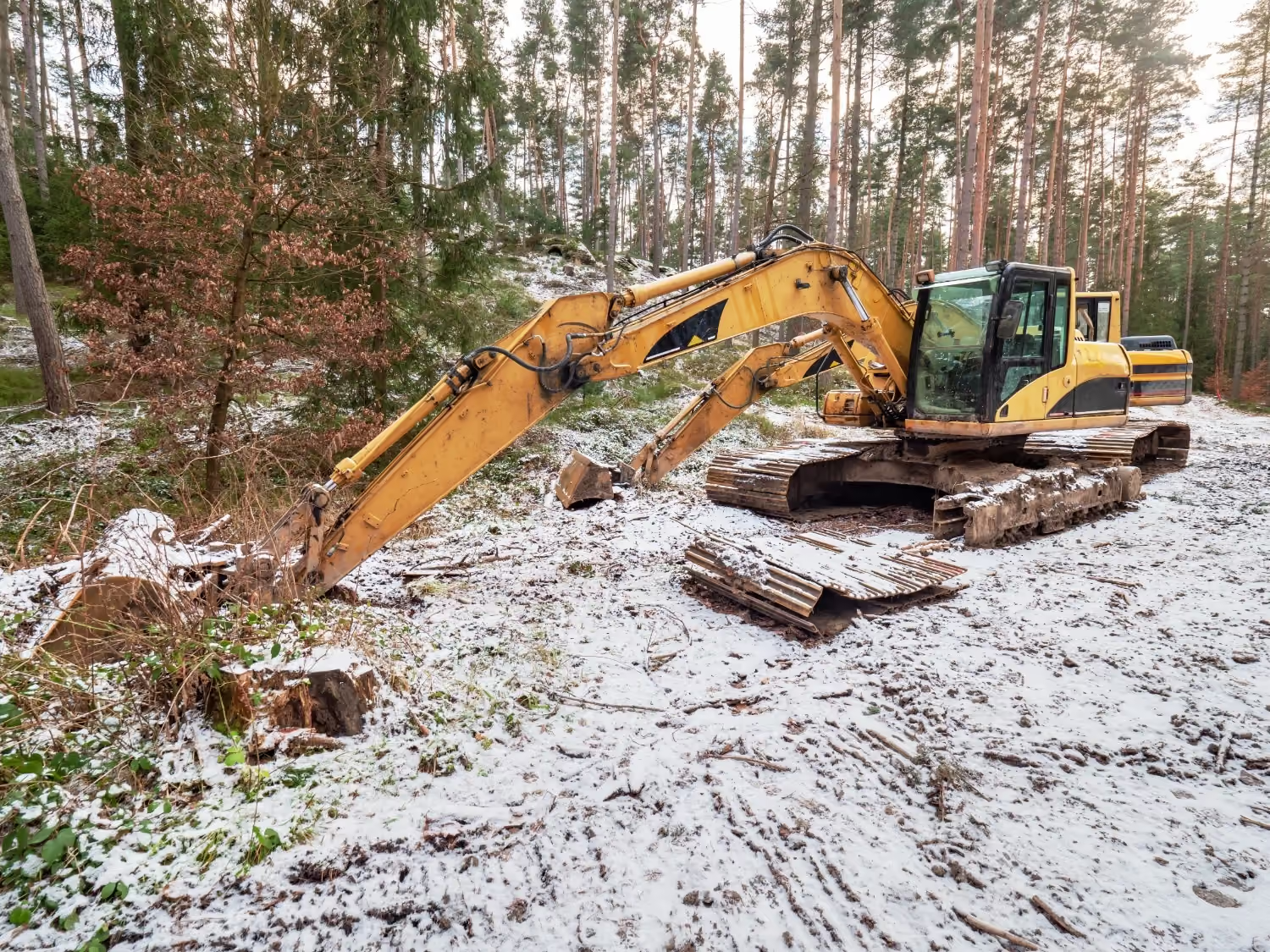
An excavator can look unstoppable, until one hose pops, the boom starts drifting, or the swing gets jerky at the worst possible time. And when your excavator is down, the job doesn't just pause: it bleeds time, labor, and deadlines.
This guide breaks down the most common excavator problems, and how to decide between repair vs replacement. You'll also get a realistic look at excavator repair costs and the preventative maintenance habits that keep small issues from turning into full-on failures, plus how Knights of Repair can help when you need professional excavator repair.
Key Takeaways
- Excavators provide versatile 360-degree movement, making them essential for tasks from trenching to demolition.
- Hydraulic system issues are the most common excavator problems and early detection of leaks prevents costly failures.
- Regular preventative maintenance like daily inspections, proper greasing, and keeping coolers clean extends excavator lifespan and avoids downtime.
- Choosing between repair and replacement depends on factors like machine condition, failure nature, downtime costs, and parts availability.
- Noticing performance changes such as slow cycle times or boom drift can alert operators to needed repairs before total failure.
- Knights of Repair offers expert guidance and services focused on diagnosing and fixing excavator problems to maximize uptime and efficiency.
What Is an Excavator and How It’s Used
An excavator is a heavy construction machine built around three core systems: a rotating upper structure (house), a boom/arm/bucket (or attachment), and an undercarriage (tracks or wheels). What makes it different from a lot of other earthmoving equipment is the 360-degree swing: you can dig, lift, place, and load without repositioning the whole machine every few seconds.
Most excavators are hydraulic, meaning pressurized hydraulic fluid powers the cylinders and motors that move the boom, arm, bucket, swing, and travel functions. That hydraulic power is what gives you the fine control you need for trench lines and grading, and the muscle you need for rock, demolition, and heavy lifting.
Here's where excavators show up most often:
- Trenching and utilities (water, sewer, electrical conduit): clean, consistent depth and slope
- Foundations and site prep: digging footings, stripping topsoil, shaping pads
- Loading trucks: moving spoil, aggregates, or debris efficiently
- Demolition: with a breaker, shear, or grapple (plus the right guarding)
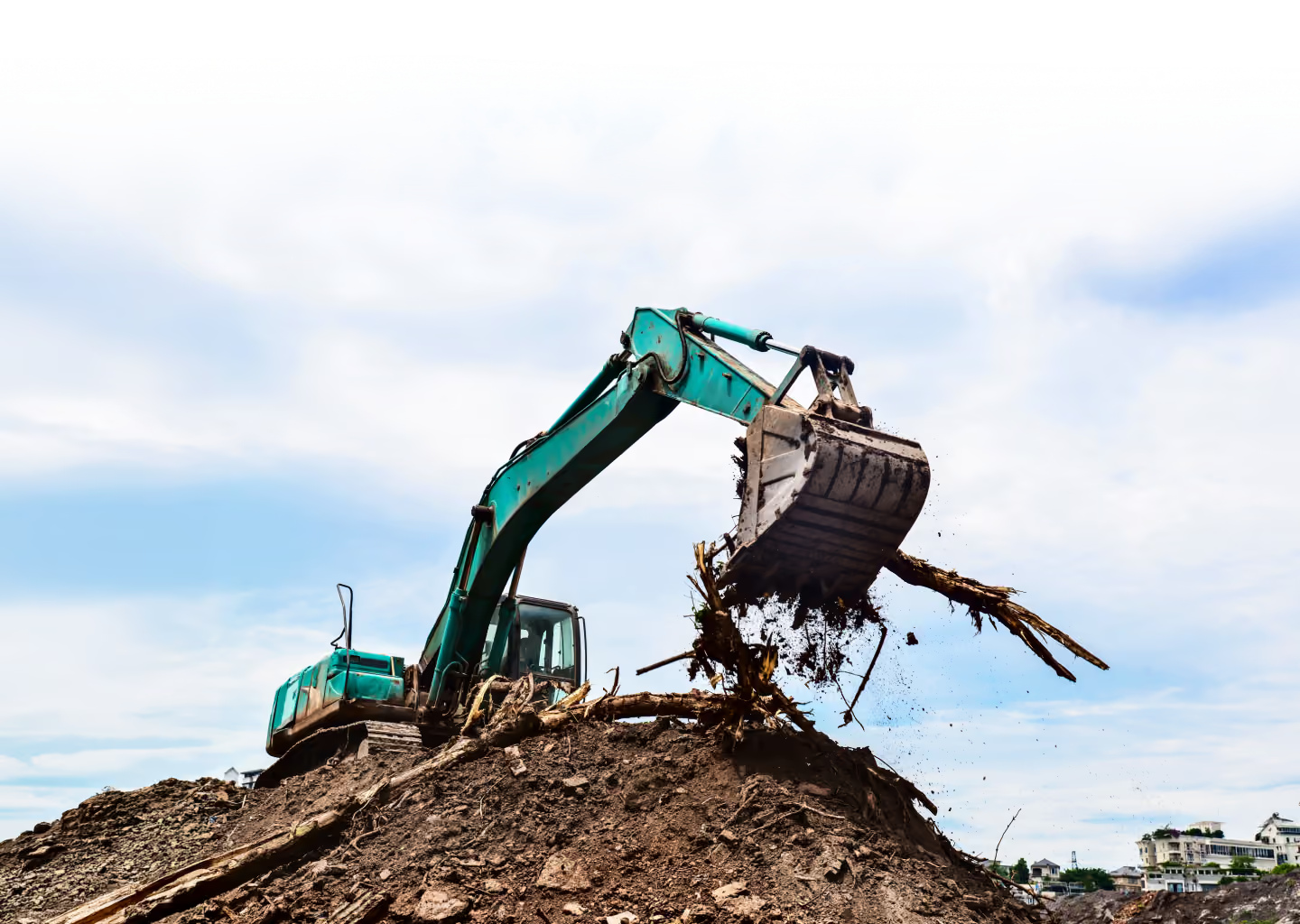
- Land clearing: pulling stumps, moving brush, stacking logs with a thumb/grapple
- Drainage and ditch work: cut, shape, and clean ditches with grading buckets
The attachments are the quiet superpower behind excavators. If your machine runs a coupler and a few common tools, hydraulic breaker, compactor, auger, thumb, rake, grading bucket, you can cover a lot more scope without adding another machine to the fleet.
The trade-off is that excavators depend on their hydraulics, sensors, and wear components all working together. When something starts slipping, pressure, flow, bushing wear, track tension, you feel it in performance long before you see a complete failure.
Excavator Brands
If you're scheduling service or sourcing parts, brand matters. Different excavator brands have their own common wear patterns, hydraulic layouts, diagnostic approaches, and parts availability.
You'll commonly see these excavator brands on jobsites in the US:
- Caterpillar (CAT): strong dealer network, wide parts availability, popular across fleet operations
- Komatsu: solid durability reputation, efficient hydraulics, strong in earthmoving fleets
- John Deere: common in general construction, known for operator comfort and support network
- Hitachi: often praised for smooth hydraulics and digging feel (frequently seen in site work)
- Volvo: good fuel efficiency and refined control, popular in urban and roadwork environments
- Doosan/Develon: competitive performance and value, with increasing market presence
- Kubota: a major player in compact excavators, landscaping, residential, utility work
- CASE: common in mixed fleets offering practical machines with straightforward serviceability
- Hyundai: growing footprint with competitive features and specs
No matter what badge is on your counterweight, you'll benefit from two habits: (1) keeping accurate service records (hours, filters, oil samples), and (2) treating warning signs early. Brand reliability helps, but maintenance discipline is what keeps uptime predictable.
Common Excavator Problems
Most excavator repairs start from a short list of repeat offenders. If you know these, you can spot trouble faster and explain symptoms clearly when you call for service.
Hydraulic leaks and pressure loss
Hydraulic issues are the big one. Leaks might come from hoses, fittings, cylinder seals, or valve banks. Even if you don't see a puddle, pressure loss can show up as slow functions, weak breakout force, or erratic operation.
Overheating
Overheating can be caused by restricted coolers, failing fans, incorrect coolant mix, clogged radiators, or hydraulic oil running too hot. In real life, overheating often snowballs: hot oil loses efficiency, seals harden, and components wear faster.
Undercarriage wear (tracks, rollers, sprockets)
Your undercarriage takes constant abuse. Common problems include loose track tension, worn sprockets, cracked pads, leaking rollers, and accelerated wear from running on abrasive material or poor cleaning habits.
Electrical and sensor faults
Modern excavators rely on sensors and modules for safety and performance. Loose grounds, corroded connectors, damaged harnesses, or failing sensors can trigger derates, warning codes, and intermittent shutdowns that are hard to diagnose without a methodical approach.
Swing problems
If the swing is jerky, noisy, or drifts, you may be dealing with swing motor wear, swing brake issues, bearing problems, or contamination in the hydraulic system.
Final drive and travel issues
A weak or noisy travel function can point to final drive wear, low oil, leaks, or internal motor issues. If you ignore it, you risk metal contamination spreading through the system.
Attachment and coupler wear
Pins, bushings, and couplers loosen over time, especially with heavy breaker use or poor greasing. That slop isn't just annoying, it changes geometry, increases stress on components, and makes precision work harder.
A pattern you'll notice: small issues often start as performance changes, not dramatic failures. If your excavator "feels different," it usually is.
Signs Your Excavator Needs Repair
You don't need to be a mechanic to catch the early signals. If you're operating daily, you're actually in the best position to notice when something shifts.
Watch for these signs your excavator needs repair:
- Slower cycle times (boom/arm/bucket movement feels sluggish)
- Loss of power under load (can't lift what you normally can, struggles to dig)
- Hydraulic oil foaming or a whining/pumping sound (possible air ingestion or restriction)
- Boom or arm drift when you're holding position (often cylinder seals or valve issues)
- Unusual smoke or strong fuel/oil smells
- Overheating alarms or frequent temperature spikes
- Track popping, binding, or uneven travel (tension, roller, idler, or alignment problems)
- Excessive vibration in swing or travel
- New leaks, even a "small seep" at a fitting can turn into a hose failure
- Warning lights, fault codes, derates, or intermittent shutdowns
A practical rule: if a symptom is getting worse week over week, it's usually cheaper to address now. Waiting tends to turn a targeted repair (hose, seal, sensor, flushing) into a bigger event (pump damage, contaminated system, downtime + towing).
When your excavator isn’t performing properly, delays can cost time and money. At Knights of Repair, we provide on-site excavator repair services that start with accurate diagnostics, not guesswork.
Excavator Repair Services We Offer
Our technicians identify the root cause of the problem and implement practical repair solutions, ensuring your equipment gets back to work quickly and reliably. You get expert service and clear repair direction without having to search for answers.
Our excavator repair services typically include:
Hydraulic system repair
- Hose and fitting replacement
- Cylinder reseal/rebuild (boom, arm, bucket)
- Valve and relief diagnostics
- Contamination checks and flushing recommendations
Engine and cooling system repair
- Overheating diagnostics (coolers, fan operation, airflow restrictions)
- Cooling system service guidance (coolant condition, pressure testing)
- Fuel system troubleshooting
Undercarriage inspection and repair
- Track tension and wear evaluation
- Roller/idler/sprocket condition checks
- Recommendations for operating changes that reduce wear
Electrical diagnostics
- Fault code interpretation support
- Harness/connector checks (common corrosion points)
- Sensor troubleshooting approach
Swing and travel performance issues
- Swing drift/jerk diagnosis
- Final drive oil checks and leak identification
- Noise/vibration root-cause checks
If you're trying to describe a problem, the fastest path to an accurate diagnosis is to note the following: machine hours, symptoms, when it occurs (cold vs warm), recent work performed, and any codes. That short list saves time and prevents parts-swapping.
Repair vs Replacement: What’s Best for Your Excavator?
Deciding whether to repair or replace your excavator is rarely just about the invoice. It's about risk, downtime, and what the machine will cost you per hour after the decision.
Here are the factors you should weigh:
1) Total hours and overall condition
High hours don't automatically mean "replace." A well-maintained excavator with solid hydraulics and a healthy engine can keep earning. But if you've got multiple systems aging at once, hydraulics + undercarriage + electrical, it may be time to run the numbers.
2) Nature of the failure
- Wear items (hoses, seals, pins, bushings, some cooling components): usually repair makes sense.
- Major components (hydraulic pump failure, final drive failure, severe engine damage): repair can still be smart, but only if the rest of the machine is worth investing in.
3) Downtime cost (the hidden bill)
If your excavator being down costs you a crew, missed opportunity windows, or liquidated damages, "cheaper repair" can become expensive. Sometimes replacement, or renting short-term while repairing, protects the schedule.
4) Parts availability and lead times
A repair plan is only as good as the parts timeline. If a critical component is weeks out, you may need to decide differently.
5) Your usage needs
If your current excavator is undersized for today's jobs (or too large for tight sites), replacement can be strategic, not just reactive.
A simple decision framework:
- Repair when the problem is contained, the rest of the machine is strong, and repair restores reliability.
- Replace when you're stacking major repairs, downtime is frequent, or the machine no longer fits your work.
If you're on the fence, get a written repair estimate and compare it to the expected remaining service life and monthly ownership costs. That's where the right choice usually becomes obvious.
Cost of Excavator Repairs
Excavator repair costs in Ontario usually come down to three things: what failed, how far the damage spread, and how quickly you caught it.
Here's what typically moves the price up or down:
- Diagnosis time: intermittent electrical issues and hydraulic performance problems can take longer to pinpoint than a visible hose leak.
- Labor and access: some repairs are straightforward while others require removing guards, boom components, or crowded assemblies.
- Parts quality and availability: OEM vs aftermarket, rebuilt vs new, and shipping lead times all matter.
- Contamination: if a pump fails and sends metal through the system, the bill can climb due to flushing, filters, and secondary component damage.
- Undercarriage condition: undercarriage work can be a big-ticket item, especially if you're replacing multiple components together.
To keep costs predictable, you want two things working in your favor:
- Early detection (repair the leak before it becomes a pump issue)
- A clear scope of work (what's being replaced, what's being inspected, and what's being tested afterward)
If you're collecting estimates, ask for specifics: What symptoms does the repair address? What measurements or tests confirm the fix (pressure checks, temperature readings, travel speed comparisons, leak-down testing)? That's how you avoid paying twice for the same problem.
Preventative Maintenance Tips for Excavators
Preventative maintenance is the difference between "scheduled service" and "surprise downtime." You don't need a complicated program, just consistent habits that match how hard you run the machine.
Do daily walkarounds like you mean it
Take five minutes before startup:
- Check for fresh leaks under the house and around cylinders
- Inspect hoses for rubbing, cracking, or wet fittings
- Look at track tension and obvious undercarriage damage
- Verify fluid levels and any unusual smells
Keep coolers and radiators clean
Overheating often starts with restricted airflow. If you're working demolition, mulch, or dusty sites, clean the coolers more often than the manual suggests. A machine that runs hot is a machine that ages fast.
Grease on schedule (and in the right places)
Pins and bushings don't forgive missed greasing, especially with a thumb or breaker. If you see slop developing, don't just "grease more" – inspect wear and correct it before you egg out bores.
Track your filters, oil, and samples
- Replace hydraulic and fuel filters on schedule
- Use oil analysis if your machine hours are high or your work is severe
- Watch for early signs of contamination (metal, water, coolant)
Operate with the undercarriage in mind
Avoid constant pivot turns on high-traction surfaces. Clean packed mud and debris when possible. And don't run tracks too tight, as over-tension accelerates wear.
Don't ignore small electrical issues
A loose ground or corroded connector can look "minor" until it strands you. If you get recurring codes, treat them like symptoms, not annoyances.
If you want one maintenance mindset that pays off, make it this:
Fix the cause, not just the result.
Replacing a hose is good - finding the clamp or routing issue that rubbed through the hose is better.
Why Choose Knights of Repair for Excavator Services?
When your excavator goes down, the priority is simple: get it diagnosed correctly, fixed properly, and back to work without repeat issues. That’s where Knights of Repair stands out.
Here’s what you can expect:
- Accurate, repair-first approach: Focus on identifying the real cause of the problem, not just replacing parts and hoping it holds
- Efficient problem resolution: Clear direction that helps reduce diagnostic time and avoid unnecessary delays
- Uptime-focused decisions: Repairs are approached with productivity, safety, and long-term reliability in mind
- Cost-aware recommendations: Know when a repair makes sense, and when it’s better to step back and consider bigger options
The goal isn’t just to address the immediate issue - it’s to get your excavator back to reliable working condition and keep it there.
Get Professional Excavator Repair Today
If your excavator is leaking, overheating, losing power, throwing codes, or simply not operating like it used to, don't wait for the failure that shuts down your entire day.
Start by documenting what you're seeing, hours, symptoms, when it happens, and any fault codes, then get professional help from Knights of Repair.
FAQ
What are common problems that cause excavator failures?
Typical excavator issues include hydraulic leaks and pressure loss, overheating, undercarriage wear, electrical faults, jerky swing action, final drive problems, and attachment wear. Early performance changes often signal these issues before complete failure occurs.
How can I tell when my excavator needs repair?
Signs include slower boom or bucket movements, loss of power, hydraulic oil foaming, boom drift, overheating alarms, track misalignment, vibration, new leaks, and warning lights or fault codes. Addressing symptoms early helps prevent costly downtime.
When should I repair my excavator versus replace it?
Repair is preferred when issues are contained, and the machine’s overall condition is good. Replacement is considered when multiple major systems fail, downtime is frequent, or the excavator no longer suits job demands. Comparing repair estimates with service life helps you decide.
What preventative maintenance helps keep an excavator reliable?
Key habits include daily walkarounds to check leaks, hoses, and track tension; keeping coolers and radiators clean; greasing pins and bushings regularly; tracking filters and oil quality; operating to reduce undercarriage wear; and addressing electrical issues promptly.


.svg)