

If you run a jobsite, a farm, or a fleet in Ontario, you already know one fact: downtime is expensive.
A heavy equipment repair service isn’t just for major breakdowns - it’s what keeps your core machines productive, safe, and working under real conditions.
Most repair work falls into a handful of equipment types, each with predictable failure points and maintenance demands. Understanding where problems typically show up helps you catch issues earlier, control repair costs, and avoid unexpected downtime.
Below are the key equipment categories a heavy equipment repair service supports, along with the most common issues and early warning signs to watch for.
Knights of Repair works across all of these equipment types, helping operators identify issues early and make the right repair decisions before downtime escalates.
Excavators
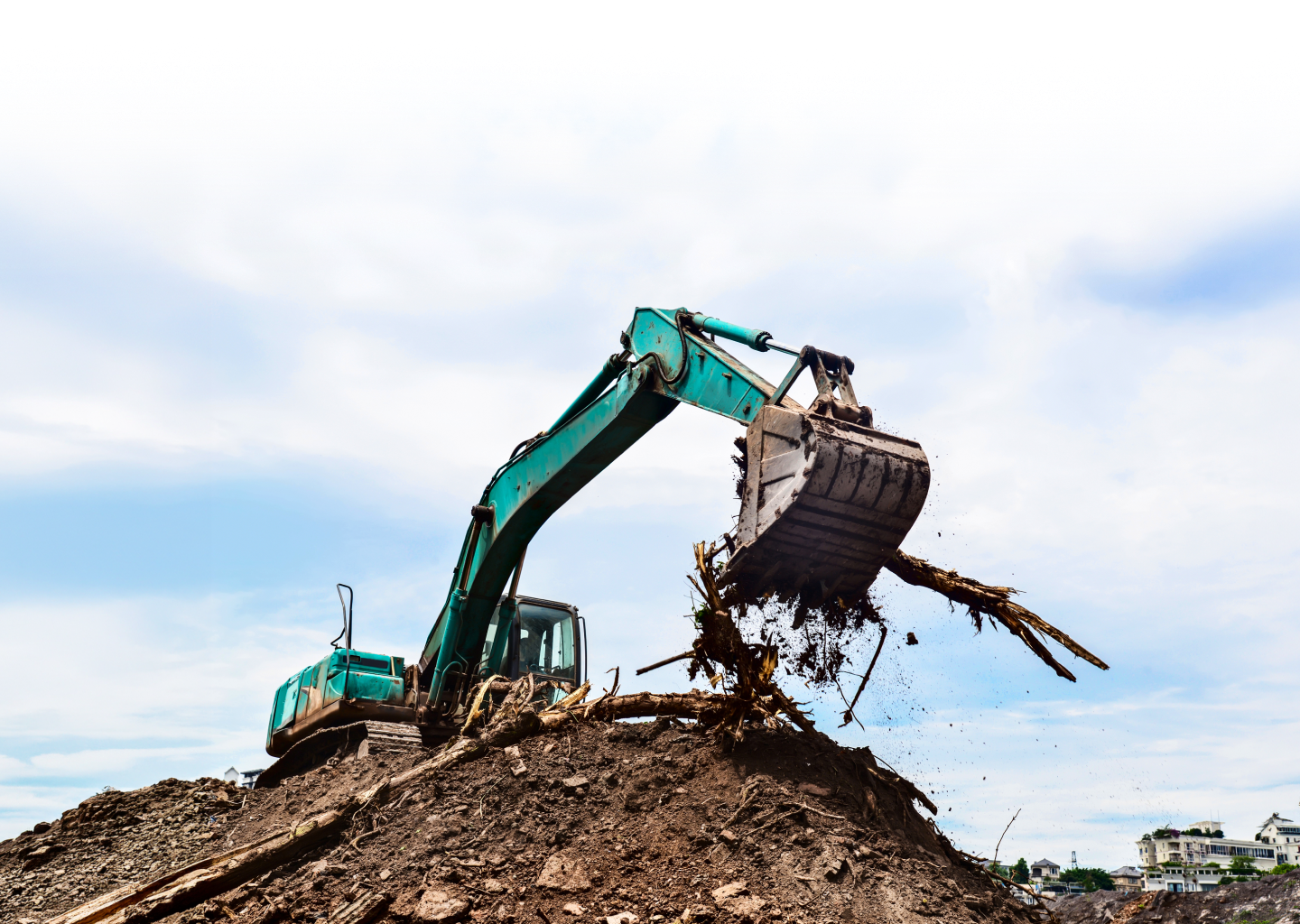
Excavators are the backbone of earthmoving, trenching, demolition, and utility work, which is why they're also a top priority for any heavy equipment repair service. When your excavator is down, your entire schedule tends to follow.
What a Heavy Equipment Repair Service Commonly Fixes on Excavators
- Hydraulic system leaks and power loss: hoses, fittings, pumps, swing motors, and cylinders (boom/stick/bucket).
- Undercarriage wear (tracked units): track chains, rollers, idlers, sprockets, and tensioners.
- Swing and travel issues: final drives, swing bearing wear, and noisy swing gearboxes.
- Cooling and overheating: clogged coolers, failing fans, thermostat issues, and coolant leaks.
- Electrical and controls: joysticks, sensors, wiring harness damage, CAN-bus faults, and display errors.
Early Warning Signs You Shouldn't Ignore
If you catch these early, you usually avoid the "catastrophic bill" later:
- Your boom or stick drifts under load (often internal cylinder bypass).
- You hear grinding/clicking during swing (possible swing bearing/gear wear).
- Your tracks feel loose, "bind," or wear unevenly (alignment or tension problems).
- You see hydraulic oil sheen around the valve bank, pump, or cylinder glands.
Quick Maintenance Moves that Reduce Downtime
- Grease high-load points on schedule (pins/bushings don't forgive neglect).
- Keep coolers clean, blow out debris daily in dusty seasons.
- Track fluid quality. Contaminated hydraulic oil is a silent killer.
If you're managing multiple excavators, standardizing inspections (same checklist, same intervals) makes repairs faster and more predictable to your heavy equipment repair technician.
Skid Steers
Skid steers are compact, brutally versatile, and often pushed hard. Because they do a little bit of everything including grading, loading, trenching, and demolition, skid steers show up constantly in heavy equipment repair service schedules.
High-Frequency Repairs on Skid Steers
- Hydraulic drive/motion issues: weak travel power, jerky movement, and hydrostatic pump/motor problems.
- Lift arm and linkage wear: loose pins, worn bushings, and cracked loader arms.
- Auxiliary hydraulics: couplers leaking, poor attachment performance, and overheating.
- Tires or track systems (depending on configuration): uneven wear, de-tracking, and tension failures.
- Safety interlocks and operator controls: seat bar switches, door sensors, and joystick calibration.
Problems You Can Diagnose Fast on the Jobsite
- If your machine won't hold position on a slope, you may have a hydrostatic leak-down issue.
- If an attachment stalls but the engine doesn't bog, you could have aux pressure/flow problems.
- If the machine runs hot, check for packed radiators as skid steers ingest debris like a vacuum.
What to Tell Your Repair Provider to Speed Up Service
When you call a heavy equipment repair service for skid steers, share the following details:
- Hours on the machine
- Any recent hydraulic work or hose changes
- Whether the issue appears only under load or also at idle
- Error codes (if your display shows them)
Those details shorten troubleshooting and reduce the odds of swapping parts that aren't the real cause.
Tractors
Tractors aren't just "farm equipment" anymore. In fact, many contractors, municipalities, and property managers run tractors for grading, mowing, snow work, and material handling.
Key Tractor Repair Areas
- Engine and fuel systems: hard starting, injector issues, DPF/regen faults (newer units), and air intake restrictions.
- Transmission and drivetrain: clutch wear (where applicable), shuttle shift issues, and hydrostatic faults.
- Hydraulics and 3-point hitch: weak lift, hitch drift, and remote valve leaks.
- PTO problems: engagement issues, slipping under load, and damaged shafts.
- Steering and brakes: spongy brakes, steering wander, and hydraulic steering leaks.
Wear Patterns That Signal Bigger Trouble
- A tractor that loses power only when working may have fuel supply restriction or turbo/boost issues.
- Hydraulic chatter or whining often points to aeration, suction leaks, or pump wear.
- If your 3-point won't hold height, internal leakage may be building heat and damaging seals.
Practical Steps That Keep Tractors Serviceable
- Use the right hydraulic/transmission fluid (mixing specs can cause clutch and seal issues).
- Watch for contamination: tractors live in dirt, chaff, and moisture.
- Don't ignore regen/aftertreatment warnings, as forced downtime is worse than scheduled downtime.
Because tractors are used across seasons, you'll save money by planning pre-season inspections (cooling, belts, tires/tracks, and fluids) with your heavy equipment repair service rather than reacting mid-season.
Loaders
Loaders, wheel loaders, track loaders, and compact loaders take constant abuse: impacts, heavy cycles, and high hydraulic demand. That's why they are a staple in heavy equipment repair service work orders.
Typical Loader Repairs a Service Shop Handles
- Hydraulic lift/tilt performance: slow cycle times, bucket drift, leaking cylinders, and valve issues.
- Bucket linkage and pins: excessive play, cracked Z-bar components, and worn bushings.
- Powertrain: transmission slip, torque converter problems, and driveline vibration.
- Cooling and filtration: overheating, clogged hydraulic filters, and restricted air filtration.
- Frame and articulation (wheel loaders): center pin wear, steering cylinder leaks, and articulation slop.
Why "Small" Loader Issues Get Expensive Fast
A loader can still move material with worn pins or a seeping cylinder, until it can't. Loose linkage accelerates wear, increases shock loads, and can start cracking attachment points. Think of it like driving a truck with a loose wheel bearing that might roll today, but is chewing itself up every minute.
How to Reduce Loader Downtime
- Track cycle-time changes. If your machine feels "slower," it's usually measurable and diagnosable.
- Check articulation play (wheel loaders) before it becomes a steering safety risk.
- Don't ignore oil analysis on high-hour units: it's one of the cheapest predictors of major failures.
If you manage multiple machines and mixed loads on different sites, keep a simple log of operating conditions (abrasive material, long idle time, or extreme heat). That context helps your technician pinpoint failure causes instead of just fixing symptoms.
Attachments
Attachments are the force multipliers of your fleet. They also hide problems until performance drops, and then everyone blames the carrier machine.
Attachment Types Commonly Repaired
- Buckets and cutting edges: cracked shells, worn edges, tooth adapters, and bent side cutters.
- Hydraulic breakers/hammers: seal failures, nitrogen charge loss, tool wear, and accumulator issues.
- Grapples and thumbs: cylinder leaks, bent tines, pin and bushing wear.
- Augers and trenchers: drive motor issues, worn teeth, and chain tension failures.
- Snow and grading tools: plow trip edges, angle cylinder leaks, and worn skid shoes.
The Most Common Attachment-Related Failure Points
- Couplers and quick-attach interfaces: wear here causes sloppy operation and uneven stress.
- Auxiliary hydraulic lines: leaks, burst hoses, and contaminated couplers.
- Pins/bushings: the quiet wear item that becomes a loud repair.
Attachment or Machine?
Use this quick check before calling to find out if the problem is caused by the attachment or the machine:
- Swap to a known-good attachment (if you can).
- Confirm aux hydraulic settings (flow/pressure) match the tool.
- Look for heat at the couplers, as heat often means restriction or internal bypass.
Because attachments move between machines, label them, track their hours (even roughly), and inspect them like standalone assets. It's one of the easiest ways to cut surprise repair costs.
Grinders and Crushers
Grinders and crushers live in the harshest reality possible: shock loads, abrasive material, constant vibration, and long duty cycles.
Typical Grinder and Crusher Breakdowns
- Wear parts and tooling: hammers, teeth, liners, anvils, screens, and grates.
- Bearings and shafts: heat damage, contamination, misalignment, and improper lubrication.
- Drive systems: belts, couplings, gearboxes, hydraulic drives, and electric motors (depending on unit).
- Conveyors and feeders: tracking issues, damaged rollers, torn belts, and chain failures.
- Structural cracking: frame fatigue from vibration and impacts.
Failure Clues Deserving Immediate Attention
- Rising operating temperature at bearing housings.
- New vibration or a change in "normal" sound.
- Uneven product size (screening or wear part imbalance).
- Frequent belt throw or conveyor mis-tracking.
Keeping Production Equipment Reliable
If you rely on grinders and crushers for revenue-critical throughput, treat repairs like a reliability program, not a one-off event.
Here are steps you can take to keep your equipment in good working order:
- Build wear-part inspections into your daily startup.
- Keep lubrication precise, wrong grease, wrong interval, or dirty grease will eat bearings.
- Schedule alignment checks after major wear-part changes.
Partnering with a heavy equipment repair service that can do inspection, troubleshooting, and planned component swaps will keep your uptime predictable. That is exactly what you want when the material is piling up and the deadline isn't moving.
For equipment operating in Ontario, early signs of failure shouldn’t be ignored. Use Knights of Repair to make the right repair call and keep your machines working reliably.
FAQ
What types of equipment do heavy equipment repair services commonly work on?
Heavy equipment repair services typically work on excavators, skid steers, tractors, loaders, attachments, grinders, and crushers, addressing issues like hydraulics, powertrain, wear parts, and controls to keep machines productive and safe.
How can I spot early signs of trouble in excavators to avoid costly repairs?
Watch for boom or stick drifting under load, grinding noises during swing, loose or unevenly worn tracks, and hydraulic oil leaks around valves or cylinders. Early detection of these signs can prevent major breakdowns and expensive bills.
Why is regular maintenance important for tractor hydraulic and transmission systems?
Regular maintenance prevents issues like clutch wear, hydraulic leaks causing weak lift or hitch drift, and transmission faults. Using correct fluids and scheduling pre-season inspections helps tractors stay reliable through diverse tasks and seasons.
How do I reduce the risk of unexpected downtime?
Regular inspections, monitoring early warning signs, and following recommended maintenance intervals allow your equipment to stay reliable and avoid costly repairs.
How can I tell if my equipment needs service?
Look for early warning signs such as hydraulic leaks, unusual noises, drifting components, uneven wear, or loss of performance. Catching these issues early prevents major breakdowns.
Why choose Knights of Repair for on-site equipment service?
We focus on accurate diagnostics, early intervention, durable repairs, and effective communication. Our goal is to keep your fleet running safely and efficiently, minimizing downtime and surprise costs.

.svg)